Blog

  • Off-Grid Freedom, Upgraded: Meet the BougeRV CRD2 Version 2.0 Portable Fridge Freezer

    If you’ve ever pulled into a remote campsite after ten hours on rough trails only to find your food soaked in a pool of lukewarm ice water, you already know the problem: traditional ice chests simply can’t keep up with serious overland rigs, campervan builds, or multi-day backcountry trips.

    Enter the BougeRV CRD2 Version 2.0 Dual-Zone Portable Fridge Freezer—the latest generation of off-grid cooling engineered specifically to handle the demands of overlanders, van lifers, and tent campers who push far beyond the reach of shore power.

    Building on the success of the original CRD2, the V2.0 update brings tighter energy efficiency, rugged trail-ready mobility, and seamless battery flexibility to your mobile setup. Here is why the CRD2 V2.0 is quickly becoming an essential gear upgrade for life on the road.

    What Sets the CRD2 Version 2.0 Apart on the Trail?

    When you’re self-sustained off-grid, every watt of power, inch of cargo space, and pound of gear matters. The CRD2 V2.0 was designed to solve the real-world friction points of vehicle-based travel.

    1. True Cordless Power (240Wh Lithium Battery Support)

    The standout upgrade for the V2.0 is its dedicated, slide-in 240Wh rechargeable lithium-ion battery. Slotting straight into the integrated battery bay, this power pack runs the unit completely cord-free for up to 20 hours. That means when you shut off your rig’s engine at basecamp or set up camp far away from your vehicle’s 12V outlets, your food and drinks stay at the temperature you choose.

    2. Independent Dual-Zone Temp Control

    Whether you’re storing frozen steaks for night three on the trail or keeping fresh produce crisp for a month-long van trip, the CRD2 V2.0 offers two completely independent temperature zones ranging from -4°F to 68°F (-20°C to 20°C).

     Overland Basecamp Setup: Run one side as a deep freezer at 0°F and the other as a standard fridge at 37°F.

     Power-Saving Mode: Shut off one side completely via the app when you’re running low on supplies to cut power draw in half.

    3. Built for Rough Terrain and Tight Rigs

    Moving a fully loaded 43-quart or 52-quart fridge around a crowded vehicle or across a rocky campsite can be a backbreaker. BougeRV equipped the V2.0 with rugged, high-clearance wheels and a telescoping aluminum handle, allowing you to wheel it across gravel, dirt, and mud like a piece of heavy-duty luggage.

    Why You Should Use It In Your Vehicle Build

    Complete Power Autonomy

    Overlanders and vanlifers rarely rely on a single power setup. The CRD2 V2.0 adapts to whatever electrical setup you run:

     Plug into your vehicle’s 12V socket while driving.

     Hook directly up to an auxiliary power station at camp.

     Rely on the internal 240Wh battery overnight.

    Built-in 3-stage vehicle battery protection guarantees the fridge shuts down before it can ever drain your vehicle’s starter battery.

    Manage Temperatures on the Move

    When your fridge is packed under gear drawers or strapped down in the back of an SUV, accessing the physical buttons isn’t always easy. With the BougeRV Mobile App, you can check internal temperatures, adjust setpoints, or toggle between MAX fast-cooling and ECO energy-saving modes right from the driver seat over Bluetooth.

    Rugged & Secure

    Vibration and trail chatter will ruin cheap appliances. The CRD2 V2.0 features heavy-duty tie-down anchor points built directly into the housing, ensuring it stays firmly secured to your fridge slide, truck bed, or van cargo track even on washboard roads.

    The Bottom Line

    Whether you’re building out a custom campervan, gearing up a 4×4 rig for multi-day trail runs, or setting up a comfortable tent camp in the backcountry, the BougeRV CRD2 Version 2.0 delivers the durability, power flexibility, and cooling efficiency needed for serious off-grid travel.

    Ditch the ice runs for good and take full control of your wilderness kitchen on your next adventure.

    Order Yours Here – https://amzn.to/3UrhUR1
  • Driving 1,100+ Miles for the Ultimate Project Boat: Bringing Home a 1996 Lund Rebel 16′ DLX

    Some road trips are about the destination. Others are about the journey. But when you’re driving nearly 1,200 miles one way from Cedar Hill, Tennessee all the way to Colorado Springs, Colorado, it’s about one thing: bringing home the right project boat.

    For anyone who loves fixing things up and spending quiet mornings on the water, you know that when the right hull comes along, distance is just a detail.

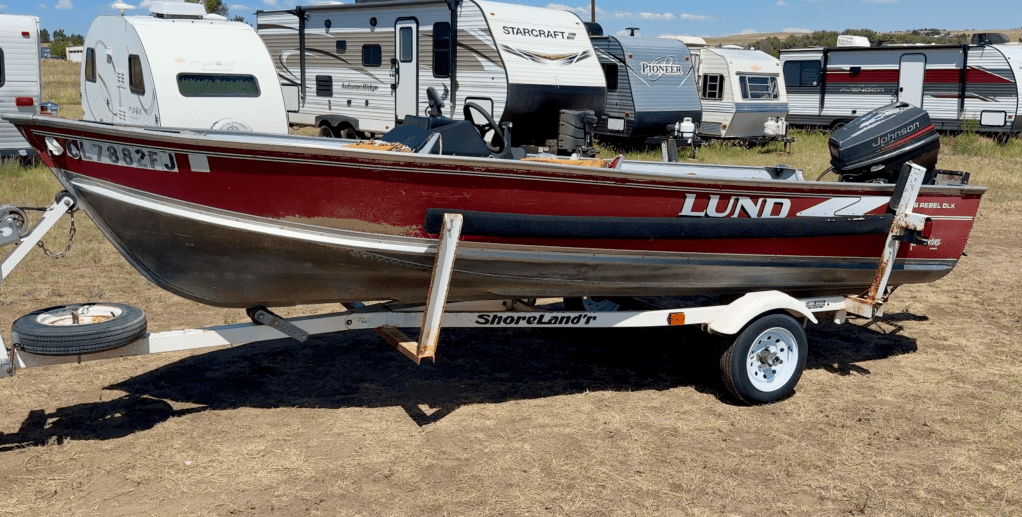
    The Mission: A 1996 Lund Rebel 16′ DLX Adventure Series

    The prize waiting in Colorado Springs was a 1996 Lund Rebel 16′ DLX Adventure Series.

    If you know aluminum boats, you know why Lunds have such a dedicated following. Known for their solid build, reliable rivets, and incredible versatility, a vintage Lund Rebel is an ideal canvas for a restoration project. At 16 feet, it’s the sweet spot—large enough to feel stable and handle open water, but lightweight and easy enough to tow, launch solo, and maneuver into hidden fishing spots and quiet backwaters.

    This particular Adventure Series model has the bones to become a reliable, customized rig for years of hunting, fishing, and weekend cruising. But before any wrenching could happen, I had to get it back to Tennessee.

    The Long Haul: Tennessee to Colorado

    Trekking across the Heartland isn’t for the faint of heart. Spanning across Tennessee, Kentucky, Illinois, Missouri, Kansas, and finally into the shadow of the Rockies, the drive offers plenty of time to contemplate every step of the rebuild process.

    Arriving in Colorado Springs, with Pikes Peak towering in the background, was an incredible moment. Seeing the boat in person confirmed what I already hoped: the classic Lund craftsmanship was intact, and while it certainly needs some work, the potential is huge.

    After hitching up the trailer, repairing the lights wiring, checking the wheel bearings, putting new wheels and tires on the trailer, and ensuring everything was strapped down tight, it was time to turn right back around for the return journey home.

    What’s Next for the Project

    Bringing a 1996 boat back to its prime is a marathon, not a sprint. Over the coming weeks and months, this Lund Rebel is going to get a full makeover. Here’s a peek at what’s on the restoration board:

    • Hull & Exterior: Thorough power wash, deep cleaning the classic Lund graphics, checking every seam, and prepping the aluminum.
    • Decking & Interior Layout: Removing worn carpets, replacing the old rotten floor panels, and planning a functional layout tailored for secluded fishing trips.
    • Electrical & Tech: Recabling the wiring harness, installing clean battery setups, modernizing navigation lights, and mounting fish-finding electronics.
    • Motor & Mechanicals: Getting the propulsion dialed in so it runs smoothly and reliably the first time it hits the lake.

    The Road Ahead

    There’s something special about bringing an older boat back to life. You aren’t just buying something off a showroom floor; you’re building something with your own hands, tailored to exactly how you want to use it. Every mile driven to Colorado and back was worth it to get the right foundation.

    Stay tuned for updates as the teardown begins and the 1996 Lund Rebel Adventure Series officially takes shape!

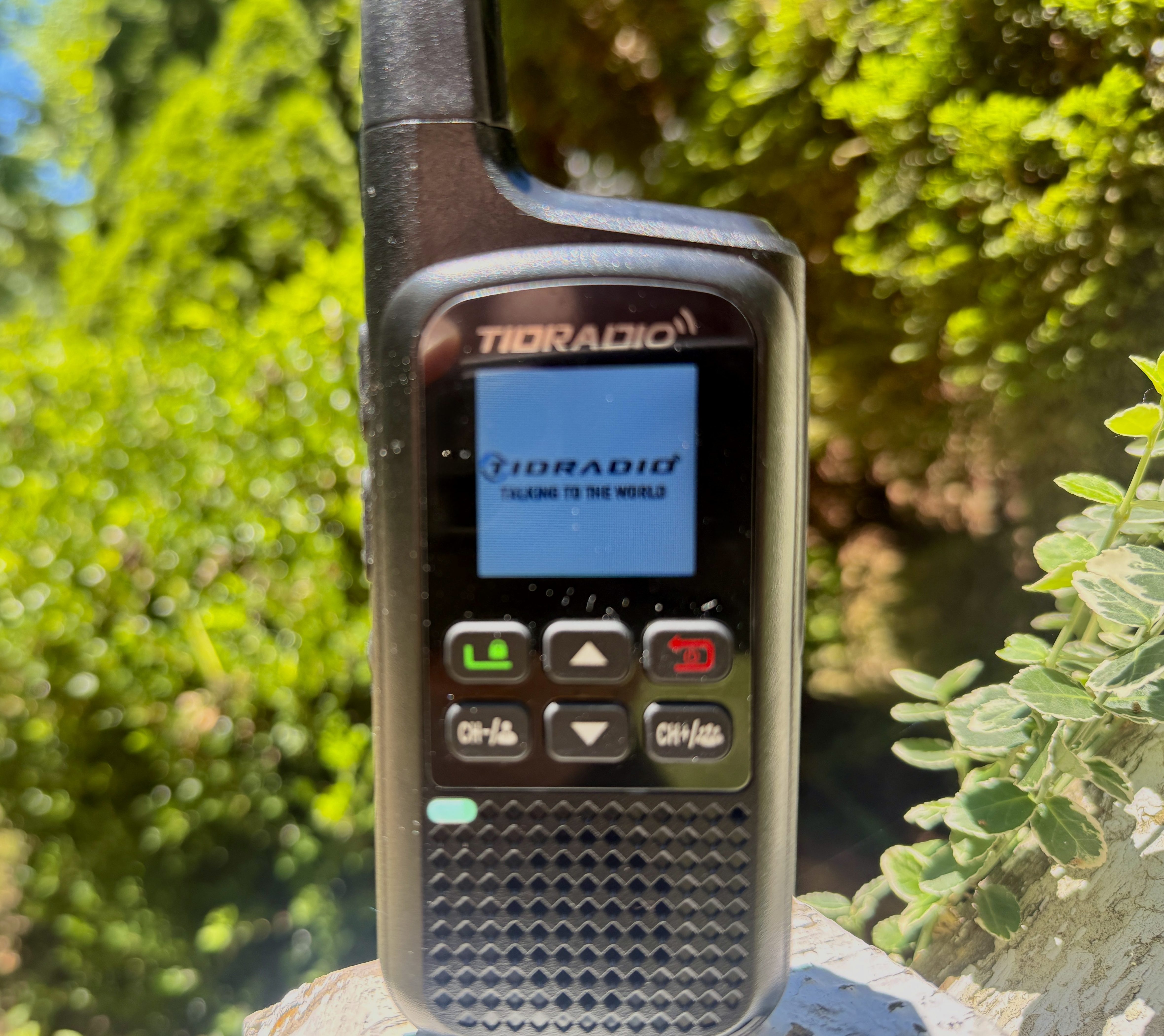
  • Game-Changer Alert: Budget-Friendly PoC Radios from Tidradio

    If you’ve looked into PoC technology before, you might have been put off by the high cost of enterprise-grade commercial units and steep monthly data subscriptions. Fortunately, the market has shifted. Brands like Tidradio are breaking down that barrier by offering highly capable, consumer-friendly PoC radios at a fraction of the traditional cost.

    Models like the Tidradio TD-M2 Pro and TD-M15 routinely sit around the $50 price point. To make them truly plug-and-play for hikers and campers, they typically ship with an included IoT SIM card packed with an entire year of free data service out of the box (with renewal fees around just $10–$20 annually after that). This gives you unlimited, nationwide communication without being locked into a rigid monthly cell contract.  

    The Ultimate Backcountry Hybrid: Dual-Mode Models

    For outdoor enthusiasts who worry about stepping completely off the grid, Tidradio also developed dual-mode hybrid models like the TD-M2 Pro. This design directly tackles the limitations of standard cellular-only devices by including two dedicated Push-to-Talk (PTT) buttons:  

     PTT 1 (PoC Mode): Uses the 4G LTE cellular network for crystal-clear, unlimited distance communication across counties or states.  

     PTT 2 (Analog FRS Mode): Switches instantly over to license-free analog FRS channels (and includes NOAA weather alerts).   

    If your hiking group drops into a deep canyon entirely out of cell tower reach, you don’t lose contact. You simply press the analog PTT button to talk directly to each other line-of-sight, giving you an always-on emergency backup in the woods.  

    The Bottom Line

    Whether you’re managing a large group campout, coordinating a scout troop, or just want a reliable way to stay in touch with your partner when they hike ahead to scout the trail, PoC radios offer a massive safety upgrade. They take the stress out of staying connected, leaving you free to focus on what actually matters: enjoying the great outdoors.

    **Disclosure: As an Amazon Associate, I earn a small commission from qualifying purchases made through links on this page. This comes at no extra cost to you and helps support the site.

  • Ready for the U.P.? Your Guide to Camping in Michigan’s Upper Peninsula

    The Night Sky Is Amazing

    Are you ready to trade city lights for starry skies and the sound of traffic for crashing waves? Michigan’s Upper Peninsula, or “the U.P.,” is a camper’s paradise, offering rugged wilderness, breathtaking scenery, and a tranquility you won’t find anywhere else. But a U.P. camping trip requires a bit of preparation. The weather can be unpredictable, the bugs can be legendary, and cell service is often a distant memory.

    Here’s a guide to help you get prepared for your unforgettable adventure.

    1. Timing is Everything

    While the U.P. offers camping opportunities year-round, the most popular and generally most pleasant time to visit is from June through August. This is when the temperatures are mildest, averaging in the 70s during the day and dipping into the 50s at night. The Great Lakes help moderate the temperatures, making for comfortable summer conditions.

    For those who love vibrant fall colors and fewer crowds, September is a fantastic option. The temperatures start to cool, but the landscape explodes in a stunning display of red, orange, and gold. Just be prepared for colder nights, with lows that can drop into the 40s.

    2. Gear Up: Beyond the Basics

    You’ll need more than just a tent and a sleeping bag for a U.P. camping trip. The key is to be prepared for all conditions. Here’s a packing list to get you started:

    • Shelter and Sleep:
    • Tent: A sturdy tent with a good rain fly is a must. The U.P. is known for its sudden rainstorms.
    • Sleeping Bag: Don’t skimp here. Choose a sleeping bag rated for colder temperatures, even in the summer. A bag rated for 32°F or lower is a good idea.
    • Sleeping Pad/Cot: Insulating yourself from the cold ground is crucial for a comfortable night’s sleep.
    • Layer, Layer, Layer:
    • Moisture-wicking base layers: These are essential for staying dry and warm. Think merino wool or synthetics.
    • Mid-layers: Fleece jackets and hoodies are perfect for adding warmth.
    • Outerwear: A waterproof and windproof jacket is a non-negotiable.
    • Footwear: Waterproof hiking boots are ideal for exploring trails, rocky shores, and forests. Don’t forget wool socks to keep your feet warm and dry.
    • Bug and Sun Protection:
    • Insect Repellent: This is a big one. The U.P. has a reputation for its black flies and mosquitoes.
    • Sunscreen and Lip Balm: Even on cloudy days, the sun’s reflection off the lakes can be intense.
    • Hat and Sunglasses: Protect yourself from the sun and bugs.
    • Campsite Essentials:
    • Lantern and Headlamp: You’ll need reliable light for navigating the campsite after dark.
    • Cooler and Food: Plan your meals and pack accordingly, as gas stations and convenience stores can be far apart.
    • Firewood: Check with your campground to see if you can buy firewood on-site. Don’t transport wood from home, as it can spread invasive species.
    • First-Aid Kit: A well-stocked kit is a must for any outdoor adventure.

    3. Plan Your Itinerary

    The U.P. is vast, with countless state parks, national forests, and scenic spots to explore. A little bit of planning goes a long way.

    • Book a Campsite: Popular campgrounds fill up fast, especially during the summer. Be sure to reserve your spot well in advance. Consider options like Tahquamenon Falls State Park, Pictured Rocks National Lakeshore, or Porcupine Mountains Wilderness State Park for some of the most iconic views.
    • Know Your Location: Cell service is spotty at best in many areas. Download maps, trails, and campground information to your phone before you leave.
    • Consider Your Needs: Whether you prefer a modern campsite with showers and electricity or a rustic, backcountry experience, the U.P. has something for you. Be sure to check what amenities are available at your chosen location.
    • Fuel Up: Gas stations are few and far between once you get off the main highways. Always top off your tank when you have the chance.

    Camping in the U.P. is an experience unlike any other. By preparing for the variable weather and packing the right gear, you’ll be able to fully immerse yourself in the natural beauty of this incredible part of Michigan. Happy camping!

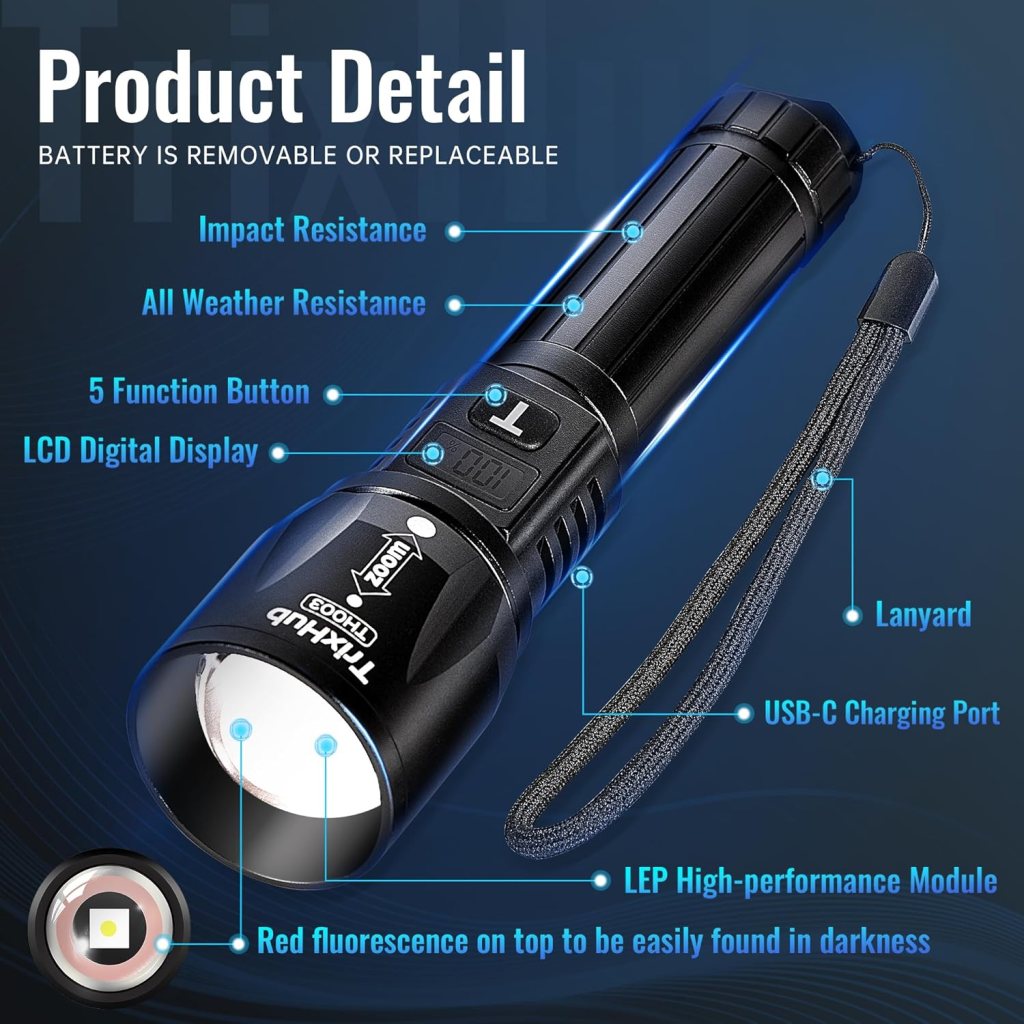
  • Shedding Light on the Darkness: A Deep Dive into the Trixhub TH003 Flashlight

    Shedding Light on the Darkness: A Deep Dive into the Trixhub TH003 Flashlight

    Get your by clicking HERE!

    (more…)
  • Stay Charged in the Wild: Top 5 Portable Power Banks for Your Next Camping Trip

    Heading into the great outdoors doesn’t mean you have to disconnect entirely. From keeping your phone charged for emergencies and navigation to powering headlamps, cameras, and even small camping appliances, a reliable portable power bank is an essential piece of gear for any modern camper.
    With so many options on the market, choosing the right one can be overwhelming. We’ve sifted through the best of the best to bring you our top five portable power banks that are perfect for your next camping adventure.
    What to Look for in a Camping Power Bank:
    Before we dive into the top picks, let’s consider the key features that make a power bank ideal for camping:

    • Capacity (mAh/Wh): This determines how many charges you’ll get for your devices. For camping, aim for at least 10,000mAh for phones, and higher for laptops or multiple devices. Watt-hours (Wh) are also important, especially if you’re flying, as there are typically airline restrictions on Wh.
    • Output Ports & Power (Watts): Look for a variety of USB-A and USB-C ports, and ensure the wattage output is sufficient for your devices (e.g., 60W+ for laptops).
    • Durability & Weather Resistance: The outdoors can be unpredictable. A rugged, water-resistant, or even dustproof design is a huge plus.
    • Portability (Size & Weight): If you’re backpacking, every ounce matters. For car camping, you might be able to afford a larger, heavier unit.
    • Recharging Options: How quickly and easily can you recharge the power bank itself? Solar charging capability can be a game-changer for extended trips.
    • Additional Features: Built-in flashlights, SOS functions, wireless charging, and LED displays for battery status can all add value.
      Our Top 5 Portable Power Banks for Camping:
      Here are our picks for keeping your gadgets juiced up when you’re off the grid:
    • Anker 737 Power Bank (PowerCore 24K): https://amzn.to/4jmPcYi
    • Why it’s great for camping: This Anker powerhouse offers a substantial 24,000mAh capacity and a remarkable 140W total output, making it ideal for charging everything from smartphones to hungry laptops. Its intuitive OLED screen provides real-time charging stats, and its premium build quality ensures durability. Fast two-way charging means you can quickly refill the power bank itself.
    • Considerations: It’s a bit on the chunkier side due to its large battery, which might be a factor for ultralight backpackers.
    • UGREEN Power Bank for Laptop (145W): https://amzn.to/4dz58Wa
    • Why it’s great for camping: With a 25,000mAh capacity and a powerful 100W output via USB-C, the UGREEN power bank is a fantastic option for those who need to keep laptops and multiple devices charged. It supports fast charging for three devices simultaneously and can give a 16″ MacBook Pro a significant boost in just 30 minutes. It offers great value for its features.
    • Considerations: While it has an LED display, some users might prefer more detailed battery information. The included cable has been noted as feeling flimsy by some.
    • Shargeek 170 Transparent Power Bank 24,000mAh: https://amzn.to/43NdVAu
    • Why it’s great for camping: This power bank stands out with its unique transparent design, but it’s more than just looks. It delivers a robust 140W of power over USB PD 3.1 and has an impressive 170W combined output. With three charging ports (USB-C and USB-A) and an IP66 water resistance rating, it’s built for outdoor adventures. The useful display also provides helpful information.
    • Considerations: It’s on the pricier side, and the clear plastic, while eye-catching, might not age as gracefully as solid materials over time.
    • INIU Portable Charger 20000mAh PD 3.0+QC 4.0 LED Display: https://amzn.to/43zRcqe
    • Why it’s great for camping: If you’re looking for an affordable yet high-capacity option, the INIU 20000mAh power bank is an excellent choice. It offers 20,000mAh capacity with 22.5W fast charging, capable of quickly charging modern smartphones. Its compact size makes it airline-approved and easy to carry for weekend trips. The large LED display is a convenient feature for checking battery status.
    • Considerations: While great for phones and smaller devices, it might not have enough wattage for power-hungry laptops.
    • Nitecore Pocket 10000 Power Bank (NB10000 Gen 3): https://amzn.to/4dEZRMU
    • Why it’s great for camping: For those who prioritize extreme portability and lightweight design, the Nitecore NB10000 Gen 3 is a standout. Crafted with durable woven carbon fiber, it weighs a mere 5.3 oz and offers a respectable 10,000mAh capacity, enough for a couple of phone charges or to keep smaller devices running. It also features an integrated USB-C charging cable, adding to its convenience.
    • Considerations: Its 10,000mAh capacity means it’s best suited for shorter trips or for charging smaller devices rather than multiple recharges of larger electronics.
      No matter which power bank you choose, remember to test it thoroughly before heading out into the wilderness. Staying powered up ensures you can navigate, communicate, and capture memories, making your camping experience safer and more enjoyable. Happy trails!
  • Weather Outlook – May 20, 2025

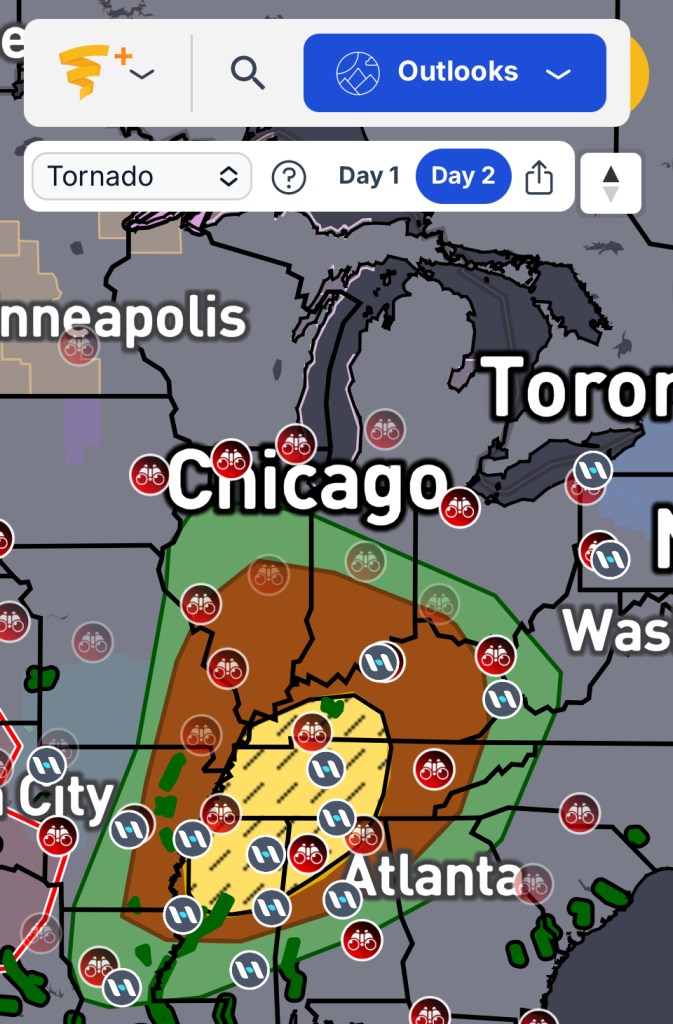
    This is the tornado outlook map

    May 20, 2025
  • Kentucky Hit Hard: Tornado Outbreak Devastates Somerset and London

    Kentuckians in the south-central region are reeling after a significant tornado outbreak swept through the state on Saturday, May 17, 2025, leaving a trail of destruction, particularly in the communities of Somerset and London. The powerful storms, part of a larger system moving through the Ohio Valley, unleashed their fury, causing widespread damage to homes, businesses, and infrastructure.
    Reports began to surface mid-afternoon as severe thunderstorms intensified. By late afternoon, multiple tornado warnings were issued for Pulaski and Laurel counties. Sadly, these warnings became a stark reality as at least two significant tornadoes touched down, impacting both Somerset and London directly.
    Somerset Under Siege:
    The city of Somerset, the county seat of Pulaski County, bore the brunt of one of the most intense tornadoes. Witnesses described a large and violent twister moving through the western and northern parts of the city. The damage is extensive, with numerous homes completely destroyed or suffering catastrophic damage. Flying debris littered the streets, and the sounds of sirens and emergency vehicles filled the air well into the night.
    Local authorities have confirmed multiple injuries, and search and rescue teams are diligently working to ensure everyone is accounted for. Several shelters have been opened across the city to provide refuge for those displaced from their homes. The Somerset Independent School District and several churches have opened their doors, offering food, water, and temporary housing.
    London Faces Significant Impact:
    Just east in Laurel County, the city of London also experienced a direct hit from a strong tornado. While initial reports suggest the damage in London might be slightly less widespread than in Somerset, the impact is still significant. Numerous businesses along Highway 192 and in the downtown area sustained considerable damage. Residential areas in the southern part of the city have also reported substantial losses.
    Like Somerset, London has seen a tremendous response from local emergency services and volunteers. South Laurel High School has been established as a primary shelter, and community members are rallying to provide assistance to their neighbors.
    Community Response and Recovery Efforts:
    Even amidst the devastation, the resilience of the Kentucky spirit shines through. Neighbors are helping neighbors, clearing debris, and offering support. Emergency management agencies at the local and state levels are working tirelessly to assess the full extent of the damage and coordinate relief efforts. Governor Beshear is expected to visit the affected areas early this week to survey the damage and offer state resources.
    Donations of essential supplies, including water, non-perishable food, blankets, and hygiene products, are being organized through local charities and community centers. Volunteers are also needed to assist with cleanup efforts in the coming days and weeks.
    Looking Ahead:
    The road to recovery for Somerset and London will be long and challenging. The immediate focus is on ensuring the safety and well-being of those affected, providing shelter, and meeting basic needs. Following this, the arduous task of rebuilding will begin.
    This tornado outbreak serves as a stark reminder of the power of nature and the importance of community preparedness. As the recovery process unfolds, the strength and compassion of the people of Kentucky will undoubtedly be on full display. Our thoughts are with all those impacted by this devastating event.
    How You Can Help:
    For those wishing to support the relief efforts in Somerset and London, please consider donating to reputable local charities or volunteering your time through established organizations. Your support, no matter how big or small, can make a significant difference in the lives of those affected.
    General Information about Tornadoes:
    Tornadoes are violently rotating columns of air extending from a thunderstorm to the ground. They are capable of causing immense destruction with wind speeds that can exceed 300 miles per hour.

    • Formation: Tornadoes typically form within severe thunderstorms called supercells, which have rotating updrafts known as mesocyclones. Specific atmospheric conditions, including wind shear (changes in wind speed and direction with height) and instability, are conducive to their development.
    • Intensity: The intensity of a tornado is measured using the Enhanced Fujita (EF) Scale, which ranges from EF0 (weak) to EF5 (violent), based on the damage they inflict.
    • Seasonality: While tornadoes can occur at any time of year, they are most common in the spring and early summer in the United States. This period often sees the clash of warm, moist air from the Gulf of Mexico with cooler, drier air from the north.
    • “Dixie Alley”: The southeastern United States, including Kentucky, is part of an area sometimes referred to as “Dixie Alley,” which experiences a significant number of tornadoes, particularly during the late fall and winter months, as well as the traditional spring season.
    • Safety Precautions: If a tornado warning is issued for your area, it is crucial to seek shelter immediately in the lowest level of a sturdy building, away from windows. If you are outdoors or in a vehicle, lie flat in a ditch or other low-lying area and protect your head.
      The events in Somerset and London highlight the unpredictable and dangerous nature of severe weather and underscore the importance of heeding warnings and having a plan in place to stay safe.
  • More Than Just Thrill-Seekers: Why Storm Chasers Are So Important


    When we picture storm chasers, dramatic images of trucks barreling down dusty roads, silhouetted against menacing supercells, often come to mind. While there’s no denying the visual spectacle and inherent thrill involved, the work of storm chasers goes far beyond simply chasing the wind. These dedicated individuals play a crucial role in our understanding of severe weather and, most importantly, in keeping communities safe.
    So, why are storm chasers so important? Let’s break it down:
    The Eyes on the Ground: Real-Time Information is Key
    In the world of meteorology, real-time, ground-level data is invaluable. While satellites and radar provide broad overviews, storm chasers offer a unique perspective. They are the eyes and ears on the ground, providing critical information that can’t be obtained from afar. This includes:

    • Visual Confirmation: Chasers can confirm the presence and intensity of severe weather phenomena like tornadoes, large hail, and damaging winds. This is especially important in areas where radar coverage might be limited or obstructed.
    • Detailed Observations: They can report on the exact location, size, and path of a tornado, as well as the extent of damage it causes. This information is vital for issuing timely and accurate warnings.
    • Ground Truth for Models: The data and observations collected by chasers help meteorologists refine and improve their weather models, leading to more accurate future forecasts.
      Early Warnings Save Lives
      Perhaps the most crucial contribution of storm chasers is their ability to provide early warnings. By witnessing the development of dangerous weather conditions firsthand, they can relay this information to local authorities and the National Weather Service (NWS). This can provide precious extra minutes for people in the path of a storm to take shelter, potentially saving lives.
      Imagine a tornado forming in a rural area, not immediately picked up by radar. A storm chaser on the scene can instantly report its presence and direction, prompting an immediate warning for the affected communities. This rapid dissemination of critical information is a game-changer.
      Contributing to Scientific Research
      Beyond immediate safety concerns, storm chasers also play a vital role in advancing our scientific understanding of severe weather. They often collaborate with researchers and universities, collecting valuable data and imagery that helps scientists:
    • Study Tornado Formation and Behavior: By getting close to these powerful phenomena (while maintaining a safe distance, of course!), chasers can gather data that helps us understand how tornadoes form, evolve, and dissipate.
    • Improve Forecasting Techniques: The data they collect contributes to the development of more accurate forecasting models, allowing us to better predict severe weather events in the future.
    • Understand the Impact of Climate Change: Long-term observations and data collected by chasers can contribute to our understanding of how climate change might be affecting the frequency and intensity of severe storms.
      More Than Just a Hobby: A Dedicated Pursuit
      It’s important to remember that responsible storm chasing is not just a thrill-seeking hobby. It requires extensive knowledge of meteorology, safety protocols, and responsible driving practices. Many chasers are trained professionals or dedicated enthusiasts who prioritize safety and the well-being of the communities they are trying to protect.
      A Word of Caution:
      While the work of storm chasers is invaluable, it’s crucial to emphasize that chasing storms is inherently dangerous. It should only be undertaken by trained individuals with the proper equipment and knowledge. The public should never attempt to chase storms on their own.
      In Conclusion:
      Storm chasers are more than just individuals fascinated by wild weather. They are a vital link in the chain of severe weather preparedness. Their real-time observations, contributions to early warnings, and dedication to scientific research make them an indispensable asset in protecting lives and property. So, the next time you see an image of a storm chaser, remember the important work they do – work that often goes unseen but has a profound impact on the safety of countless communities.
  • The Quiet Symphony of Spring: Are You Listening?


    The air is different now, isn’t it? That crisp edge of winter has softened, replaced by a gentle warmth that whispers of new life. Here at EarthOutside.net, we’re all about embracing the wild, the untamed beauty that surrounds us. And right now, nature is putting on a show – a quiet symphony of spring that deserves our full attention.
    It’s easy to get caught up in the hustle of daily life, to rush from one task to the next without truly noticing the subtle shifts happening all around. But take a moment, just a few minutes out of your day, to step outside and truly listen.
    What do you hear? Perhaps the cheerful chirping of returning birds, their melodies a vibrant soundtrack to the season. Maybe the gentle rustling of leaves as a light breeze dances through the trees, carrying the faint scent of blooming flowers. Or perhaps, if you’re lucky, the buzzing of bees diligently collecting nectar, the tiny engines of pollination hard at work.
    Spring isn’t just about grand displays of color, though those are certainly welcome. It’s also about the quiet, persistent renewal that’s happening on a smaller scale. Look closely. Have you noticed the tiny green shoots pushing their way through the soil, a testament to the resilience of life? Or the delicate unfurling of new leaves on branches that were bare just weeks ago?
    These small wonders are everywhere, if we only take the time to see them. They remind us of the cyclical nature of life, the constant process of growth and change that is fundamental to our planet. And they offer a powerful antidote to the stresses and anxieties of modern life.
    Spending time in nature, truly engaging with our surroundings, has been shown to have profound benefits for our mental and physical well-being. It can reduce stress, improve focus, boost our mood, and even strengthen our immune system. And what better time to reap these rewards than during the vibrant awakening of spring?
    So, we encourage you this week to make a conscious effort to connect with the natural world around you. Maybe it’s a walk in your local park, a quiet moment in your garden, or simply pausing on your commute to observe the changes happening in your neighborhood.
    Here are a few simple ways to tune into the quiet symphony of spring:

    • Take a “listening walk”: Focus solely on the sounds around you.
    • Observe a single plant or tree: Notice the details of its growth and change over a few days.
    • Wake up early: Experience the dawn chorus, the incredible symphony of birdsong at sunrise.
    • Find a patch of wildflowers: Take a moment to appreciate their delicate beauty and the insects they attract.
      The Earth is constantly communicating with us, offering moments of wonder and inspiration if we are open to receiving them. This spring, let’s make a point to listen to the quiet symphony unfolding all around us. It’s a melody of hope, renewal, and the enduring power of nature.
      What are your favorite signs of spring? Share your observations in the comments below!
      Happy exploring!
      The EarthOutside.net Team